01 / HUMAN UNDERSTANDING
Communication changes the conditions for understanding.
Look beyond words and channels. Consider affect, context, expectations, and the recipient’s capacity to consider, comprehend, and choose.
The perspective behind the Lab
Elizabeth Edwards brings emerging communication science and sophisticated AI practice together to help people understand more deeply, work more intelligently, and increase their capacity.
An original, evolving synthesis
This work connects a career in behavioral communication with Elizabeth’s affective communication research and her practical teaching on AI.
It is not simply a list of tools or prompts. It is a lens for how people make meaning, how we direct and evaluate AI, and how AI increasingly interprets organizations for others.
“Frontier” describes the work’s expanding edge—not permission to outrun evidence, expertise, or responsibility.
Give AI richer context and more sophisticated assignments. Use it to deepen research, examine possibilities, and develop useful work—while keeping your expertise in charge.
Apply it: build a brief, direct the work in stages, and define how you will review the result.
Explore how context, affect, expectations, and human state can shape the meaning people make. Design communication for comprehension and agency, not just reaction.
Apply it: examine a message from the recipient’s situation, not only the sender’s intention.
AI increasingly mediates discovery and interpretation. Compare what it says with approved facts, investigate visible evidence, and identify communication gaps worth addressing.
Apply it: document answers across systems and distinguish source gaps from model or retrieval errors.
01 / HUMAN UNDERSTANDING
Look beyond words and channels. Consider affect, context, expectations, and the recipient’s capacity to consider, comprehend, and choose.
02 / HUMAN–AI CAPABILITY
Use richer context, sophisticated assignments, credible evidence, and meaningful review to get more from AI without surrendering judgment.
03 / HUMAN–ALGORITHM COMMUNICATION
Examine the AI-mediated picture of your business. Strengthen the communication and evidence that support accurate understanding, without promising control.
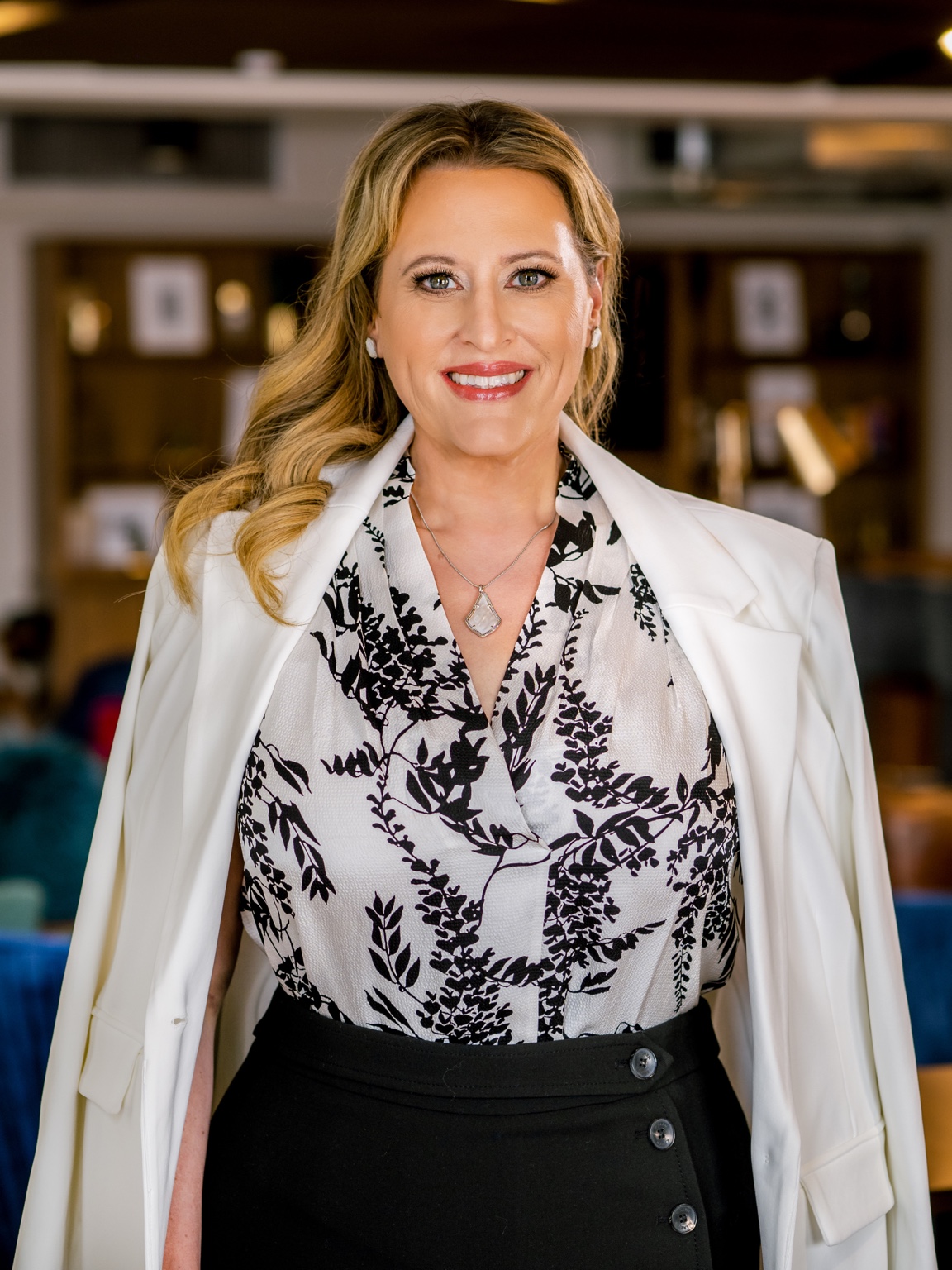
Research, teaching & leadership
Elizabeth Edwards is a communication innovator, affect strategist, educator, and founder of Volume PR and Engagement Science Lab.
Since founding Volume PR in 2001, she has built a practice connecting communication with insights into human behavior. Her original frameworks and integration of affective communication and AI continue that work.
Recognition includes PRNEWS’s 2026 Industry Champions category, Ragan’s 2021 Visionaries category, and the Women Economic Forum’s Woman of Excellence award.
Responsibility is part of capability
We distinguish communication that supports comprehension and choice from practices that obscure, exploit, or coerce. Better engagement should make room for informed judgment—not merely generate a reaction.
Here it names Elizabeth’s teaching and applied-research lens: her original synthesis of existing and emerging research with practical communication and AI work. It is not a claim to have invented affective intelligence or to have independently validated every application.
Affect concerns felt experience and the conditions in which people perceive and respond. Elizabeth’s work applies this lens to communication and human agency; it is not a promise to read or control someone’s internal state.
No. The task, evidence, permissions, and your ability to assess the result matter. A specialist’s judgment is especially important where errors are consequential. More capable use includes knowing when to stop or involve another human.
ESL is the home for learning, products, applied research, and organizational training. Elizabeth’s personal site covers her wider work and speaking. Volume PR provides PR and communication agency strategy and execution.
A focused resource, continuing membership, or support for your organization.